Homeowners in Middlefield, CT rely on oil heat for steady warmth and strong performance through long winters. Yet many book an oil furnace service call before checking a few simple items that could save time, reduce costs, and help the technician diagnose the problem faster. From filter changes to fuel delivery timing, small oversights can lead to no-heat calls, short cycling, soot buildup, or repeat breakdowns. An organized approach before the appointment protects the system and your budget, and it helps the oil furnace repair & installation team do better work on the first visit.
This article draws on day-to-day service experience in Middlesex County homes and light commercial spaces. It covers what most homeowners miss, how to prep the system and the space, and when to call an oil furnace installation company for a replacement quote instead of sinking money into ongoing heating oil furnace repair. It also clarifies oil furnace services cost factors, common parts, and local Middlefield considerations, including tank access and fuel quality issues that often complicate a quick fix.
Why “simple checks first” matters for Middlefield homes
Oil equipment is reliable if it breathes well, gets clean fuel, and runs with proper draft and combustion settings. Many no-heat calls tie back to airflow, fuel delivery, or control issues that appear basic on paper but are easy to miss in a busy week. A clogged filter, a blocked intake, a poorly seated oil tank cap, or the wrong thermostat settings can all trigger safety shutdowns. Each of these items is within reach for most homeowners and can either resolve the problem or give the technician a head start.
A second reason is cost. Oil furnace services cost ranges widely based on whether the visit is diagnostic only, tune-up, or repair with parts. If the homeowner rules out easy fixes before scheduling oil heating services, the visit is more likely to be productive and less likely to require a second trip. That means less labor time and less frustration during a cold snap.
The air filter that everyone forgets
The most common oversight is a dirty return air filter. A starved blower pulls hard, overheats the heat exchanger area, and trips the high-limit switch. The safety does its job and shuts the burner down. The homeowner sees a dead system and calls for heating oil furnace repair. Switching out a filter that has not been changed for six months can restore airflow and stop the short cycling that cooks blower motors and raises fuel use.
Field note: In Middlefield capes and ranches with finished basements, return grills often sit low, near floor dust and pet hair. Filters load faster in these homes. For a typical 1-inch pleated filter, plan on 60 to 90 days. For thicker media cabinets, 4 to 6 months is common, but check monthly during heavy use. If the filter collapses or bows, it is overdue.
The thermostat that tells the wrong story
Another frequent miss is the thermostat. Mode, fan setting, and schedule conflicts can mimic equipment failure. A thermostat left on “cool” after shoulder season, a low battery, or a fan set to “on” can cause confusing symptoms. Programmable models may drop the setpoint during work hours, which looks like a failed burner at 3 p.m. but corrects itself near 5 p.m., wasting a service call.
Quick checks before booking oil furnace service:
- Confirm heat mode, away/vacation settings, and schedule blocks. Replace batteries if the display looks dim or unresponsive.
This list is short on purpose. It clears two of the top non-equipment causes of no-heat calls in Middlefield split-level and colonial homes.
Fuel level and tank conditions
Many homeowners trust the gauge without a second thought. Older float gauges in aboveground tanks can stick, especially after a delivery or when sludge settles. A gauge that shows a quarter tank may read wrong if the float arm binds. If the burner locked out after a windy night, it might have pulled air and shut down. Bleeding the line and clearing the filter can bring it back, but the root cause is fuel level, fuel quality, or venting.
Look at three details:
- Compare gauge reading to delivery records. If it has been 6 to 8 weeks in deep winter, assume it is lower than you think. Inspect the tank cap and vent. A missing or loose cap lets moisture in, which forms sludge and strains the pump and filter. Note where the fill and vent are. In Middlefield, overgrown shrubs often cover them. That makes delivery slower and increases the chance of partial fills.
If the tank is underground or very old, call for an inspection along with the oil heat maintenance visit. Corrosion or water intrusion leads to recurring nozzle plugging and filter clogs. At a certain point, it is worth discussing options with oil furnace installation companies that also handle tank replacements and code-compliant venting.
Combustion air and blocked intakes
Tight houses and closed doors influence draft and combustion. A mechanical room that doubles as storage often ends up packed with totes, paint, and holiday bins. If those items move in front of the burner’s intake or the louvered door, the unit starves for air. Symptoms include rumbling starts, smoky burn, and soot at the barometric damper. A tech can clean and tune, but if the room stays starved, the problem returns.
The quick fix is to clear a three-foot area around the oil furnace and leave the mechanical room door louver open. In some Middlefield basements, a dedicated combustion air duct solves negative pressure that comes from running a dryer and kitchen exhaust at the same time. This is a judgment call your technician can make during oil furnace service if airflow proves marginal.
Reset button: when to press it and when to stop
Every winter brings calls that begin with “I pressed the reset once and it fired, then it tripped again.” The reset button clears a burner safety lockout and attempts a restart. One press is acceptable to get heat temporarily. Repeated presses flood the chamber with oil and turn a simple ignition fault into a smoky mess, with more time on-site to clean up.
A practical rule from the field: one press only. If it trips again, stop and schedule heating oil furnace repair. Note the timing, noises, and any smoke at the barometric damper. These details speed diagnosis.
The tune-up that keeps getting delayed
An oil furnace will run without a tune-up longer than it should. Owners then pay higher fuel bills and face preventable repairs. Annual oil heat maintenance is not just a nozzle swap. A full tune-up includes cleaning the heat exchanger, brushing and vacuuming the flue passages, checking pump pressure, replacing the nozzle and oil filter, testing the ignition, verifying draft, and running combustion analysis. Adjustments here directly affect fuel use, CO levels, and soot formation.
From experience, homeowners who keep a consistent annual service date see 10 to 15 percent lower fuel consumption versus those who wait until a problem appears. They also lower the chance of mid-season breakdowns when parts are under stress.
Space, access, and real-world prep for the service visit
Technicians lose time and accuracy when access is tight. The path from driveway to the furnace matters. So does the distance to the oil tank and the venting. Clearing the space is not about courtesy; it affects the quality of the work. If the tech cannot remove the blower or swing a combustion analyzer into place, testing gets harder and some issues stay hidden.
Before your appointment, a simple checklist helps:
- Make a clear path to the basement or utility room and to the oil tank. Move stored items at least three feet from the furnace and water heater. Unlock gates and side doors. Secure pets. Place last season’s service invoice near the unit for reference. If you have had recent power outages, note the dates.
These small steps lower labor time and improve the accuracy of oil furnace repair & installation recommendations.
What “oil smell” usually means
A faint oil smell near the furnace after a delivery can be normal in tight spaces, especially if the fill or vent had a brief burp. A sharp smell days after delivery suggests a leak at the oil filter canister, pump, or a flare fitting. The most common culprit is a canister filter gasket pinched during replacement. It often shows up a few days after a tune-up. A single drip per minute can leave a notable odor in a closed basement.
Do not ignore persistent smells. A quick reseat of a gasket or tightening a flare stops the leak. If the smell has a smoky edge and you see soot, the burner is likely off-adjustment. That calls for immediate service to protect the heat exchanger and flue.
How to think about repair versus replacement
The goal is not constant patchwork. The right oil furnace install at the right time reduces total cost of ownership. Several signs point to replacement rather than repeated heating oil furnace repair:
- Age over 20 to 25 years, especially with past heat exchanger corrosion or cracks. Rising oil use year over year without changes in weather or habits. Recurring lockouts from combustion issues even after full cleanings. Parts no longer available for the burner or control board. A major repair estimate that equals 20 to 30 percent of a new system.
Homeowners in Middlefield often ask about oil furnace services cost compared to a new oil furnace installation. For context, a typical repair visit with parts such as an igniter, nozzle, filter, and a cad cell can run in the low hundreds. A combustion fan motor or control board can push higher, sometimes into the four-figure range on older models. A full oil furnace installation varies widely based on brand, AFUE rating, duct condition, and whether the chimney needs a liner. Many replacements fall in the mid-to-high four figures, with higher-end, high-efficiency options reaching into the five-figure range. A trusted oil furnace installation company will provide a written scope that includes removal, start-up, permits, and post-install combustion testing.
Ducts, registers, and the “cold room” problem
Many service calls start with a cold bedroom or an upstairs zone that never catches up. Before calling for oil furnace service, verify three low-effort items. First, make sure supply registers and returns are fully open and not blocked by rugs or furniture. Second, check that basement dampers are open in winter; sometimes a previous occupant closed them to balance summer airflow from a separate system. Third, inspect flexible ducts for kinks or crushed sections near storage. These steps do not oil furnace repair & installation replace professional balancing, but they often turn a frustrating room into a normal one.
If the issue persists, the solution might involve duct sealing, additional returns, or fan speed adjustments. Your technician can measure static pressure and temperature rise during the service call and recommend targets that fit the furnace and the ductwork.
Combustion analysis is not optional
Homeowners sometimes ask why a tech spends time with a probe in the flue. Combustion analysis proves whether the burner is burning cleanly and efficiently. It measures oxygen, CO, flue temperature, and stack losses. Without that test, the tune-up relies on appearance and guesswork. The difference shows up on the oil bill and in the chimney. Middlefield homes with older unlined chimneys benefit most from a correct draft and combustion setting. Sooty flues degrade quickly, and chimney repairs cost more than a careful tune-up.
A good oil heating services visit includes a printed or written copy of the combustion numbers, the nozzle size and pattern, pump pressure, and draft readings. Keep that with your records. It helps the next technician start in the right place.
Power, fuses, and service switches
It sounds basic, but service switches at the top of basement stairs get bumped. Fuse panels hide tripped breakers behind neutral-looking handles. If no lights power on in the mechanical room, check the furnace switch and the breaker before calling. Document what you find. If a breaker trips again immediately, leave it off and schedule service. Repeated resets risk motor damage or wiring heat at loose connections.
The Middlefield, CT specifics that change outcomes
Local details affect oil equipment. Here are patterns seen around Middlefield that matter for oil furnace repair & installation:
- Older stone foundations with damp basements add humidity. High humidity increases corrosion at burner terminals and limit switches. A small dehumidifier helps protect components. Many homes have tank fills in difficult corners or behind fences. Keep a clear path for oil delivery to avoid partial fills that leave sludge in the mix. Some properties share driveways or have steep grades. Share driveway notes with the oil company in winter to keep deliveries on schedule and avoid running low. Power blips during winter storms are common. After an outage, a burner might lock out once. One reset is acceptable. If it trips again, wait for service.
These local realities are worth a quick discussion with your technician during the annual oil heat maintenance visit.
What to expect from a professional oil furnace service
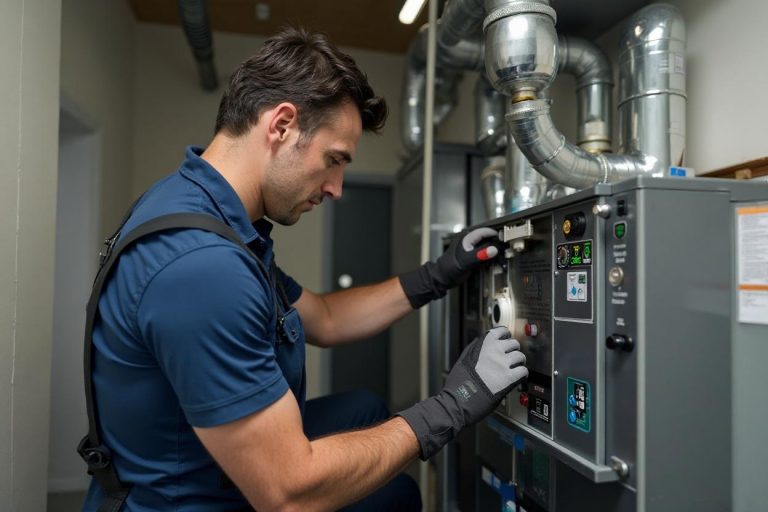
A thorough oil furnace service from a qualified Middlefield team follows a consistent flow. The tech will review the complaint, check power and controls, replace the oil filter and nozzle, inspect electrodes and igniter, brush and vacuum the heat exchanger, verify pump pressure, inspect the chimney connection and barometric damper, set draft, and run a combustion analysis. If ductwork is accessible, static pressure and temperature rise checks clarify whether airflow is within the furnace’s rating.
For homeowners comparing oil furnace installation companies, ask about their start-up process on new installs. The same discipline applies: clean duct connections, correct filter sizing, combustion setup, and documented readings. A clean install that starts with the right numbers tends to run quietly and use less fuel.
Pricing clarity without surprises
Oil furnace services cost depends on time, parts, and after-hours timing. Homeowners can guide the visit by describing symptoms clearly and sharing maintenance history. Expect separate line items for diagnostic time, standard tune-up materials, and any repair parts. If your unit is older and the estimate creeps above a few hundred dollars for repeated visits in a single season, ask for a new-system estimate in parallel. A clear comparison often ends the cycle of band-aid fixes.
Many Middlefield homeowners opt for annual service plans that include a tune-up and priority response. Plans vary. Some include common parts like nozzles and filters; others discount labor only. Read the terms. For households with high usage or older equipment, plans can pay for themselves in one mid-season service call.
When “best oil furnace repair near me” actually means “nearby and prepared”
Typing best oil furnace repair near me brings up a list, but the right choice is the company that answers quickly during cold snaps, stocks standard oil parts on the truck, and knows local venting and code requirements. Proximity matters in January at 2 a.m. Equally important is the company’s discipline with combustion analysis and post-repair documentation. Consistent process beats flashy promises.
If the home also needs an oil furnace install, look for an oil furnace installation company that handles permits in Middlefield, verifies chimney condition, and sizes the unit based on heat loss rather than rule-of-thumb. Proper sizing is critical for comfort and efficiency. Oversized furnaces short cycle, run louder, and cost more to operate.
Small habits that add up
Three habits reduce service calls and fuel use across a typical Middlefield heating season. First, change or check the filter regularly and keep returns clear. Second, schedule annual oil heat maintenance before the first cold snap so there is time to address parts and tank issues. Third, keep the mechanical room clear and dry to protect electrical components and maintain good combustion air. These routines support a clean burn and put you on better footing if a part fails mid-season.
How Direct Home Services helps Middlefield households stay warm
Direct Home Services supports Middlefield with full oil heating services, from tune-ups and combustion analysis to heating oil furnace repair and complete replacements. The team documents nozzle size, pump pressure, draft, and combustion readings on every visit. Trucks carry common parts for most burners and controls found in local homes, which reduces callbacks and wait time.
For homeowners considering a new oil furnace install, the company provides clear options with AFUE ratings, brand differences, and installation scope spelled out. The consultation covers duct condition, filter placement, and venting so the new system starts strong. Installations include start-up testing and written results, not guesswork.
If the situation is urgent, the office prioritizes no-heat calls and communicates arrival windows. If it can wait for a standard appointment, the team blocks enough time for a full oil furnace service so the visit does more than reset a fault.
Ready for a checkup, repair, or a quote on replacement in Middlefield, CT? Call Direct Home Services to schedule. Describe the symptoms, share the last service date, and mention any odor or soot. The dispatcher will slot the right technician and confirm what to do before arrival. The result is a cleaner, safer burn and a quieter season with fewer surprises.
Direct Home Services provides HVAC repair, replacement, and installation in Middlefield, CT. Our team serves homeowners across Hartford, Tolland, New Haven, and Middlesex counties with energy-efficient heating and cooling systems. We focus on reliable furnace service, air conditioning upgrades, and full HVAC replacements that improve comfort and lower energy use. As local specialists, we deliver dependable results and clear communication on every project. If you are searching for HVAC services near me in Middlefield or surrounding Connecticut towns, Direct Home Services is ready to help.
Direct Home Services
478 Main St
Middlefield,
CT
06455,
USA
Phone: (860) 339-6001
Website: https://directhomecanhelp.com/
Social Media: Facebook | Instagram
Map: Google Maps